

text analysis : ค้นหาหนังสือธรรมะ หน้า 3 / 5
หน้าหนังสือทั้งหมด
99
ทายาทเศรษฐี
The image contains a table with text in both Thai and English. Here is the extracted text:
---
(Thai text columns in the table)
(English translations and titles)
Page number at bottom: 97
(Thai
หนังสือเล่มนี้นำเสนอเรื่องราวและข้อคิดที่มาจากพระไตรปิฎก โดยมีเรื่องของพระกาลุฑายณะ, ชีวิตเรียบง่าย, พระภิกษุห้าร้อย, และเมธาดา (เศรษฐี) ซึ่งช่วยให้ผู้อ่านเข้าใจถึงคุณธรรมและบทเรียนในชีวิตจากแนวคิดทาง
41
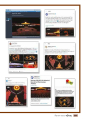
Chiang Mai's Record-Breaking Candle Arrangement
April 10, 2023
(no visible text in the first image that can be transcribed)
(Second image)
(no visible text in the second image that can be transcribed)
(Third image)
https://www.thailandsports.com
Sat at the magical Chiang Mai sky temple of Thuchit, Buddhist monks have achieved a remarkable feat by arranging 150,000 candles into the shape of the earth, setting a world record. This stunning disp
4
จักรึกสาแปลเดิมอัปลิมยำนนะ: จารึกอรรถกถากอภิวัฒน์ในประเทศไทย
จักรึกสาแปลเดิมอัปลิมยำนนะ: จารึกอรรถกถากอภิวัฒน์ในประเทศไทย
Octagonal Pillar Inscription from Chainat: the Oldest Inscription Recording Abhidhamma Attakathā Text in Thailand
57
U-tain WONGSATHIT
Ab
บทความนี้ศึกษาการอ่านและแปลจารึกเสาหมายเลขแปดเหลี่ยมจากจังหวัดชัยนาท ซึ่งเป็นจารึกจากอาณาจักรทวารวดี เขียนด้วยอักษรปัลลวะในช่วงศตวรรษที่ 6-7 ตามพื้นฐานของโบราณคดี เนื้อหาภายในจารึกเป็นภาษาพาลี โดยเฉพา
3
อุรังคนีาน: ตำนานพระธาตุทางภาคตะวันออกเฉียงเหนือ
อุรังคนีาน: ตำนานพระธาตุทางภาคตะวันออกเฉียงเหนือ 191
Urāṅganidāna:
The Lineage of Buddhist Shrines in Far Northeastern Thailand
Chirapat PRAPANDVIDYA
Abstract
The Urāṅganidāna is a text written in n
อุรังคนีานเป็นเอกสารที่บรรยายถึงตำนานพระธาตุในภาคตะวันออกเฉียงเหนือของประเทศไทย รวมถึงพื้นที่ฝั่งตะวันออกของแม่น้ำโขงในลาว โดยมีจุดประสงค์หลักคือการยกย่องบราวะ Dhatū Phanom และสร้างเรื่องเล่าที่ว่าพระ
192
Understanding Respect in Buddhism
be summed up in the following proverb: One rotten apple spoils
the whole barrel. If people think this way, they can harm
Buddhism unknowingly. This is certainly not the nature of a
Buddhist. Buddhists
The text illustrates the negative impact of generalizing about monks based on misconduct and emphasizes the importance of critical analysis as taught by the Buddha. It highlights a discussion between
181
Achieving Stillness in Meditation
Once your mind is completely still, it will drop the words,
"Samma Arahang" or "clear and bright" by itself, as if you
are forgetting to recite this mantra, or feel that you don't
want to recite the m
This text outlines the process of achieving a state of complete stillness during meditation. It emphasizes the importance of letting go of verbal mantras and instead focusing on a vision of a bright c

91
Achieving Inner Stillness and Wisdom
If you do this correctly, easily, comfortably, then your mind will
become still easily, effortlessly. If you were an analyst, you would
analyze, comment, on your inner experiences, your mind would not
This text explores the concept of achieving inner stillness and wisdom effortlessly. It emphasizes the importance of following simple instructions to calm the mind, avoiding over-analysis which can le
145
สมุทปาฎิษากาย นาม วันอุณฺฑภูติ อุตฺตโยชา (ปุรโม ภาค๓)
ประโยค(ภาพ) - สมุทปาฎิษากาย นาม วันอุณฺฑภูติ อุตฺตโยชา (ปุรโม ภาค๓) - หน้าที่ 145
จ ผลฉบ จ สหา วุตติ๎๎๎๎๎๎๎๎๎๎๎๎๎๎๎๎๎๎๎๎๎๎๎๎๎๎๎๎๎๎๎๎๎๎๎๎๎๎๎๎๎๎๎๎๎๎๎๎๎๎๎๎๎๎๎๎๎๎๎๎๎๎๎๎๎๎๎๎๎๎๎๎๎๎๎๎๎๎๎๎๎๎๎๎๎๎๎๎๎๎๎๎๎๎๎๎๎๎๎
บทเรียนในหน้า 145 ของสมุทปาฎิษากาย นาม วันอุณฺฑภูติ อุตฺตโยชา ให้ความรู้เกี่ยวกับโครงสร้างและแนวคิดการวุตติที่สำคัญ โดยมีการศึกษาเปรียบเทียบการดำเนินการเรียนการสอนในหลักสูตรที่น่าสนใจ และศึกษาผลที่เกิ
10
The Cycle of Violence and Its Consequences
the world where there is sunlight, conflicts are constantly taking place between nations and between individuals. When it is daylight for us and the other side of the world is blanketed in darkness, w
This text discusses the endless cycle of conflicts and wars driven by misguided intentions, highlighting how wars bring more suffering rather than peace. It emphasizes the psychological and social dam
5
Understanding the Dynamics of the New Middle East
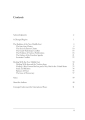
Contents
Acknowledgments iv
A Changed Region 1
The Realities of the New Middle East 4
The Iran–Iraq Cluster 4
The Syria–Lebanon Cluster 10
The Israeli–Palestinian Conflict 14
The Problem of Nuclear P
This text examines the transformed landscape of the Middle East, analyzing key conflicts in regions such as Iran-Iraq, Syria-Lebanon, and the Israeli-Palestinian conflict. It addresses crucial issues
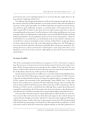
31
Political Dynamics and Sectarian Tensions in the Middle East
retrenchment into a more ideological posture by a movement that has sought, but has so far been denied, a legitimate political role.
The adoption and subsequent abandonment of the freedom agenda broug
The text discusses the complexities faced in promoting democracy in Arab nations, highlighting the influence of incumbent regimes resistant to political reform. It notes that, despite potential allies
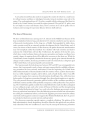
43
Reassessing U.S. Policy Toward Syria and Democracy in the Middle East
A new policy toward Syria also needs to recognize the country for what it is: a small country without massive ambitions or ideological crusades, trying to maintain some role in the region. The confron
This text discusses the need for a nuanced U.S. policy toward Syria, recognizing its limited ambitions while encouraging a shift away from its spoiler role in Lebanon and alignment with Iran. It furth
7
Exploring Buddhist Meditation and Its Significance
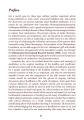
Preface
Not a month goes by these days without another important article being published on some newly uncovered Buddhist text, and among the discoveries are ancient materials about Buddhist meditati
This preface discusses the ongoing discoveries in Buddhist meditation texts and the efforts of Venerable Phrakrupaladnayokwarawat (Sudhammo Bhikkhu) in promoting scholarly exploration. It emphasizes t
35
Exploring the Concept of Dhammakāya in Pali Canonical Texts
Of the three canonical passages mentioned above, only the first, namely the Aggañña-sutta passage, contains the term dhammakāya, while the other two do not. The reason for which all these passages are
This study reexamines the term dhammakāya in specific Pali canonical passages, notably the Aggañña-sutta, contrasting it with previous scholarly interpretations that often exclusively link the term to
41
Understanding Dhammakāya: A Scholarly Interpretation
Points to Consider
It may be observed that the difference in previous scholarly interpretations of the term dhammakāya in this passage mainly pertains to the inter-relatedness of two distinctive meani
This text delves into scholarly interpretations of the term 'dhammakāya', emphasizing the need for a nuanced understanding of 'dhamma' as both a realized reality and a verbal expression. It identifies
43
Understanding the Noble Discipleship in Buddhism
Vin.II.192, A.IV.186, 210, 213
Just as a piece of clean cloth that is deprived of dirt would well-absorb the dye, the pure and clear eye of dhamma (dhammacakku) arose to the man, on that current seat
The text discusses the qualities of noble disciples in Buddhism, emphasizing the importance of clear perception of dhamma and the eradication of doubts and fetters. It describes the transformation exp
47
Implications of Parallel Descriptions of Monks and Brahmins
Implications of Parallel Descriptions of Monks and Brahmins
As Gombrich points out, the passage in question is comparable to the Brahmins’ claim:46
brahmanā va brahmuo putṭā orasā mukhato jāta brahma
The text delves into how Gombrich compares the descriptions of Brahmins and Monks, emphasizing the dual interpretations of the term 'brahma-' as both the masculine creator and the neuter ultimate real
48
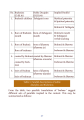
Brahmins and Noble Disciples: A Comparative Analysis
No. | Brahmins (D.III.81) | Noble Disciples (D.III.84) | Implied Parallel
---|------------------------|---------------------------|------------------------
1. | Brahma's children | Tathägata's sons |
The text presents a comparative analysis between Brahmins and Noble Disciples, highlighting their similarities in mythical and spiritual parental origins. It details how both are seen as offsprings of
53
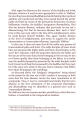
Understanding Dhamma and Nibbāna in Buddhism
With regard to dhamma as the 'essence' of the Buddha and Arhat disciples, however, it may be more appropriate to refer to 'Nibbāna,' for once they have attained Buddhahood and Arhatship their spiritua
This text explores the concept of dhamma in relation to the Buddha and Arhat disciples, particularly the notion of Nibbāna as the essence of their enlightenment. It argues that dhamma, especially in t
60
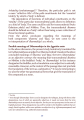
Understanding Dhammakāya: The Essence of Transcendental Dhamma
Arhatship (arahattamagga).86 Therefore, the particular path is not a mere ‘collective title’ of the path-constituents but the ‘essential totality’ by which a ‘body’ is defined.
The dependence of funct
This text discusses the concept of Arhatship and the definition of Dhammakāya in the context of Buddhist philosophy. It argues that the path should be seen as an essential totality, forming a 'body,'